Workflows & Use Cases
Why Language Support Matters: How Pamela Helps Global Teams Communicate Clearly
Why Language Support Matters: How Pamela Helps Global Teams Communicate Clearly
January 28, 2026
Multilingual Documentation for European Healthcare
Your patients speak different languages. Your documentation tool should too.
Healthcare in Europe is multilingual by nature. A consultation might start in Dutch and switch to English. A patient might be more comfortable describing symptoms in their native Turkish or Arabic. Referral letters arrive in German. Pamela was built for this reality, supporting over 36 languages and dialects to deliver accurate clinical documentation, no matter what language is spoken.
Why multilingual matters in healthcare
Most AI documentation tools were built for English-speaking American clinics. They struggle with accents, miss nuances in other languages, and fail when patients switch languages mid-consultation, which happens constantly in European healthcare.
For clinicians serving diverse patient populations, this isn't a nice-to-have. It's essential.
Pamela understands and documents consultations across a wide range of languages helping you capture what matters without asking patients to speak a language they're less comfortable in.
Supported languages and dialects
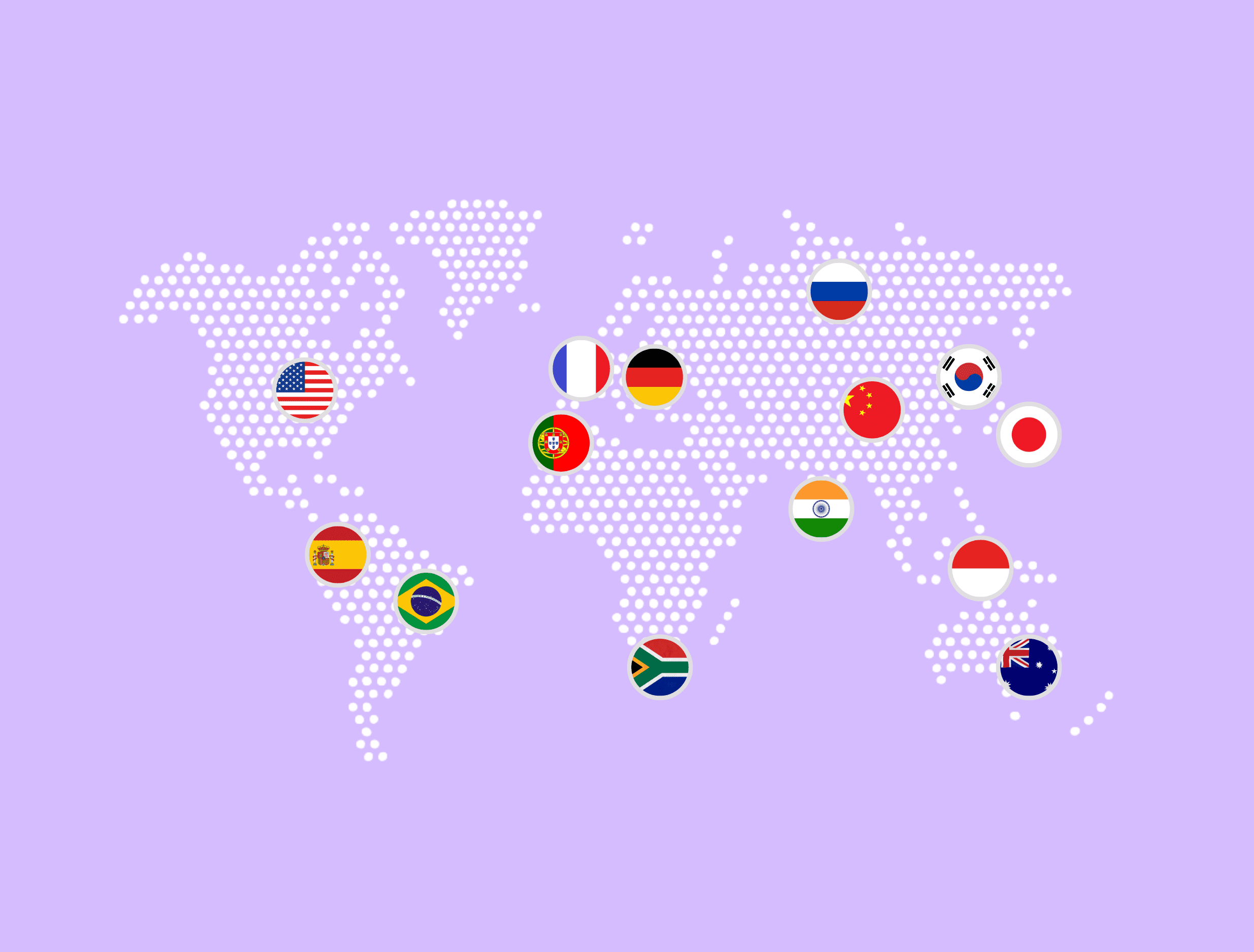
Pamela supports over 36 languages, including:
Dutch
German
French
English (UK, US, Australian)
Spanish (Latin America, Spain)
Italian
Portuguese (Brazil, Portugal)
Arabic
Turkish
Polish
Russian
Mandarin Chinese
Hindi
Japanese
Korean
Swedish
Danish
Norwegian
Each language is optimised for clinical terminology, speaker recognition, and documentation quality. The system continuously improves as usage grows, adding regional accents and medical vocabulary.
How Pamela handles language detection
When you start a consultation, Pamela automatically detects the spoken language and adjusts accordingly. No manual settings. No switching modes.
Patient switches from Dutch to Turkish mid-sentence? Pamela follows along.
You explain something in English, they respond in Arabic? Captured accurately.
This automatic detection means smoother workflows for clinicians seeing diverse patient populations, your documentation just works, regardless of language.
Clinical accuracy across languages
Pamela doesn't just transcribe words. It understands clinical context.
Using advanced language models trained on medical terminology, Pamela identifies symptoms, extracts key findings, and structures notes correctly even when the consultation moves between languages.
This makes Pamela ideal for:
Clinicians who switch between Dutch and English with colleagues
Consultations with patients more comfortable in their native language
Multilingual practices serving diverse communities
Cross-border care and international patient populations
Where multilingual makes the biggest impact
Pamela's language capabilities are especially valuable for:
Urban practices with diverse patient populations
Mental health professionals where patients express themselves better in their native language
Refugee and migrant health services
International clinics serving expats and tourists
Border region practices (Dutch-German, Dutch-Belgian)
Specialists receiving referrals and patients from across Europe
When a patient can speak freely in the language they're most comfortable with, you get better information. Better information means better care.
Data privacy across languages
Multilingual support doesn't compromise security. Pamela remains fully GDPR-compliant, NEN 7510 certified, and ISO 27001 certified, regardless of the language being spoken.
All data is processed and stored within the European Union. Whether you're documenting a consultation in Dutch, Arabic, or Mandarin, your patient data stays protected.
Documentation without language barriers
Effective clinical documentation shouldn't depend on everyone speaking the same language. With Pamela's 36+ language support, European clinicians can document accurately, serve diverse patients better, and trust that every consultation is captured — however it's spoken.
Pamela isn't just built for multilingual healthcare. It's built for how European healthcare actually works.
Multilingual Documentation for European Healthcare
Your patients speak different languages. Your documentation tool should too.
Healthcare in Europe is multilingual by nature. A consultation might start in Dutch and switch to English. A patient might be more comfortable describing symptoms in their native Turkish or Arabic. Referral letters arrive in German. Pamela was built for this reality, supporting over 36 languages and dialects to deliver accurate clinical documentation, no matter what language is spoken.
Why multilingual matters in healthcare
Most AI documentation tools were built for English-speaking American clinics. They struggle with accents, miss nuances in other languages, and fail when patients switch languages mid-consultation, which happens constantly in European healthcare.
For clinicians serving diverse patient populations, this isn't a nice-to-have. It's essential.
Pamela understands and documents consultations across a wide range of languages helping you capture what matters without asking patients to speak a language they're less comfortable in.
Supported languages and dialects
Pamela supports over 36 languages, including:
Dutch
German
French
English (UK, US, Australian)
Spanish (Latin America, Spain)
Italian
Portuguese (Brazil, Portugal)
Arabic
Turkish
Polish
Russian
Mandarin Chinese
Hindi
Japanese
Korean
Swedish
Danish
Norwegian
Each language is optimised for clinical terminology, speaker recognition, and documentation quality. The system continuously improves as usage grows, adding regional accents and medical vocabulary.
How Pamela handles language detection
When you start a consultation, Pamela automatically detects the spoken language and adjusts accordingly. No manual settings. No switching modes.
Patient switches from Dutch to Turkish mid-sentence? Pamela follows along.
You explain something in English, they respond in Arabic? Captured accurately.
This automatic detection means smoother workflows for clinicians seeing diverse patient populations, your documentation just works, regardless of language.
Clinical accuracy across languages
Pamela doesn't just transcribe words. It understands clinical context.
Using advanced language models trained on medical terminology, Pamela identifies symptoms, extracts key findings, and structures notes correctly even when the consultation moves between languages.
This makes Pamela ideal for:
Clinicians who switch between Dutch and English with colleagues
Consultations with patients more comfortable in their native language
Multilingual practices serving diverse communities
Cross-border care and international patient populations
Where multilingual makes the biggest impact
Pamela's language capabilities are especially valuable for:
Urban practices with diverse patient populations
Mental health professionals where patients express themselves better in their native language
Refugee and migrant health services
International clinics serving expats and tourists
Border region practices (Dutch-German, Dutch-Belgian)
Specialists receiving referrals and patients from across Europe
When a patient can speak freely in the language they're most comfortable with, you get better information. Better information means better care.
Data privacy across languages
Multilingual support doesn't compromise security. Pamela remains fully GDPR-compliant, NEN 7510 certified, and ISO 27001 certified, regardless of the language being spoken.
All data is processed and stored within the European Union. Whether you're documenting a consultation in Dutch, Arabic, or Mandarin, your patient data stays protected.
Documentation without language barriers
Effective clinical documentation shouldn't depend on everyone speaking the same language. With Pamela's 36+ language support, European clinicians can document accurately, serve diverse patients better, and trust that every consultation is captured — however it's spoken.
Pamela isn't just built for multilingual healthcare. It's built for how European healthcare actually works.
Multilingual Documentation for European Healthcare
Your patients speak different languages. Your documentation tool should too.
Healthcare in Europe is multilingual by nature. A consultation might start in Dutch and switch to English. A patient might be more comfortable describing symptoms in their native Turkish or Arabic. Referral letters arrive in German. Pamela was built for this reality, supporting over 36 languages and dialects to deliver accurate clinical documentation, no matter what language is spoken.
Why multilingual matters in healthcare
Most AI documentation tools were built for English-speaking American clinics. They struggle with accents, miss nuances in other languages, and fail when patients switch languages mid-consultation, which happens constantly in European healthcare.
For clinicians serving diverse patient populations, this isn't a nice-to-have. It's essential.
Pamela understands and documents consultations across a wide range of languages helping you capture what matters without asking patients to speak a language they're less comfortable in.
Supported languages and dialects
Pamela supports over 36 languages, including:
Dutch
German
French
English (UK, US, Australian)
Spanish (Latin America, Spain)
Italian
Portuguese (Brazil, Portugal)
Arabic
Turkish
Polish
Russian
Mandarin Chinese
Hindi
Japanese
Korean
Swedish
Danish
Norwegian
Each language is optimised for clinical terminology, speaker recognition, and documentation quality. The system continuously improves as usage grows, adding regional accents and medical vocabulary.
How Pamela handles language detection
When you start a consultation, Pamela automatically detects the spoken language and adjusts accordingly. No manual settings. No switching modes.
Patient switches from Dutch to Turkish mid-sentence? Pamela follows along.
You explain something in English, they respond in Arabic? Captured accurately.
This automatic detection means smoother workflows for clinicians seeing diverse patient populations, your documentation just works, regardless of language.
Clinical accuracy across languages
Pamela doesn't just transcribe words. It understands clinical context.
Using advanced language models trained on medical terminology, Pamela identifies symptoms, extracts key findings, and structures notes correctly even when the consultation moves between languages.
This makes Pamela ideal for:
Clinicians who switch between Dutch and English with colleagues
Consultations with patients more comfortable in their native language
Multilingual practices serving diverse communities
Cross-border care and international patient populations
Where multilingual makes the biggest impact
Pamela's language capabilities are especially valuable for:
Urban practices with diverse patient populations
Mental health professionals where patients express themselves better in their native language
Refugee and migrant health services
International clinics serving expats and tourists
Border region practices (Dutch-German, Dutch-Belgian)
Specialists receiving referrals and patients from across Europe
When a patient can speak freely in the language they're most comfortable with, you get better information. Better information means better care.
Data privacy across languages
Multilingual support doesn't compromise security. Pamela remains fully GDPR-compliant, NEN 7510 certified, and ISO 27001 certified, regardless of the language being spoken.
All data is processed and stored within the European Union. Whether you're documenting a consultation in Dutch, Arabic, or Mandarin, your patient data stays protected.
Documentation without language barriers
Effective clinical documentation shouldn't depend on everyone speaking the same language. With Pamela's 36+ language support, European clinicians can document accurately, serve diverse patients better, and trust that every consultation is captured — however it's spoken.
Pamela isn't just built for multilingual healthcare. It's built for how European healthcare actually works.
Multilingual Documentation for European Healthcare
Your patients speak different languages. Your documentation tool should too.
Healthcare in Europe is multilingual by nature. A consultation might start in Dutch and switch to English. A patient might be more comfortable describing symptoms in their native Turkish or Arabic. Referral letters arrive in German. Pamela was built for this reality, supporting over 36 languages and dialects to deliver accurate clinical documentation, no matter what language is spoken.
Why multilingual matters in healthcare
Most AI documentation tools were built for English-speaking American clinics. They struggle with accents, miss nuances in other languages, and fail when patients switch languages mid-consultation, which happens constantly in European healthcare.
For clinicians serving diverse patient populations, this isn't a nice-to-have. It's essential.
Pamela understands and documents consultations across a wide range of languages helping you capture what matters without asking patients to speak a language they're less comfortable in.
Supported languages and dialects
Pamela supports over 36 languages, including:
Dutch
German
French
English (UK, US, Australian)
Spanish (Latin America, Spain)
Italian
Portuguese (Brazil, Portugal)
Arabic
Turkish
Polish
Russian
Mandarin Chinese
Hindi
Japanese
Korean
Swedish
Danish
Norwegian
Each language is optimised for clinical terminology, speaker recognition, and documentation quality. The system continuously improves as usage grows, adding regional accents and medical vocabulary.
How Pamela handles language detection
When you start a consultation, Pamela automatically detects the spoken language and adjusts accordingly. No manual settings. No switching modes.
Patient switches from Dutch to Turkish mid-sentence? Pamela follows along.
You explain something in English, they respond in Arabic? Captured accurately.
This automatic detection means smoother workflows for clinicians seeing diverse patient populations, your documentation just works, regardless of language.
Clinical accuracy across languages
Pamela doesn't just transcribe words. It understands clinical context.
Using advanced language models trained on medical terminology, Pamela identifies symptoms, extracts key findings, and structures notes correctly even when the consultation moves between languages.
This makes Pamela ideal for:
Clinicians who switch between Dutch and English with colleagues
Consultations with patients more comfortable in their native language
Multilingual practices serving diverse communities
Cross-border care and international patient populations
Where multilingual makes the biggest impact
Pamela's language capabilities are especially valuable for:
Urban practices with diverse patient populations
Mental health professionals where patients express themselves better in their native language
Refugee and migrant health services
International clinics serving expats and tourists
Border region practices (Dutch-German, Dutch-Belgian)
Specialists receiving referrals and patients from across Europe
When a patient can speak freely in the language they're most comfortable with, you get better information. Better information means better care.
Data privacy across languages
Multilingual support doesn't compromise security. Pamela remains fully GDPR-compliant, NEN 7510 certified, and ISO 27001 certified, regardless of the language being spoken.
All data is processed and stored within the European Union. Whether you're documenting a consultation in Dutch, Arabic, or Mandarin, your patient data stays protected.
Documentation without language barriers
Effective clinical documentation shouldn't depend on everyone speaking the same language. With Pamela's 36+ language support, European clinicians can document accurately, serve diverse patients better, and trust that every consultation is captured — however it's spoken.
Pamela isn't just built for multilingual healthcare. It's built for how European healthcare actually works.

“Our team switches between English and Dutch daily. Pamela handles it without a hiccup—and the summaries are just as sharp in both.” — Sophie van Dijk, Operations Lead, Orbit International