Inside Pamela
Spend less time typing: How Pamela cuts documentation time by 30%
Spend less time typing: How Pamela cuts documentation time by 30%
4 februari 2026
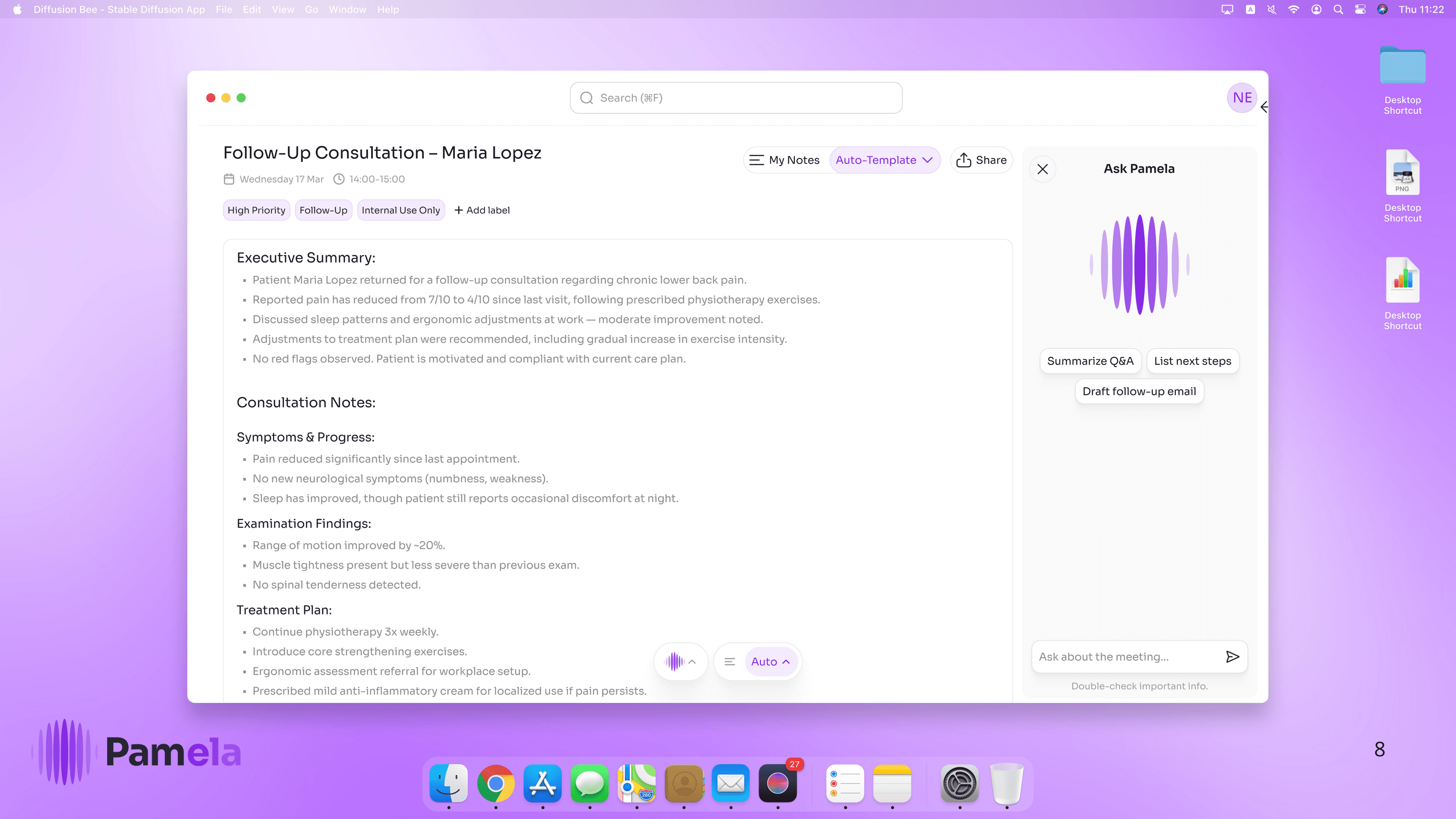
Documentation shouldn't follow you home.
The documentation burden in Dutch healthcare
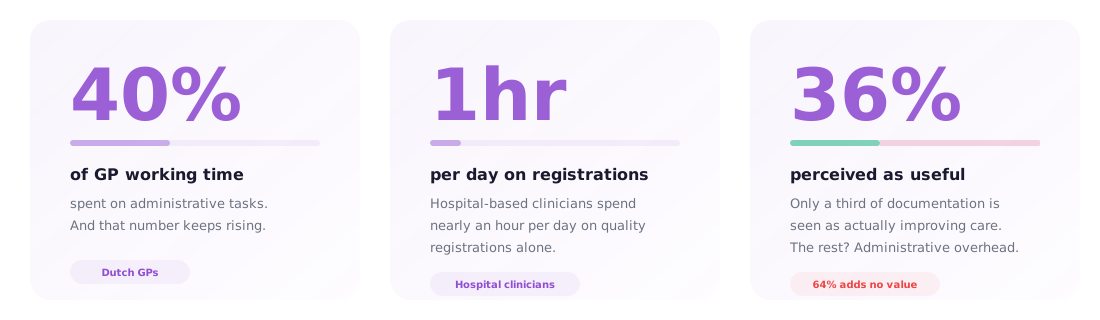
Research shows Dutch GPs spend close to 40% of their working time on administrative tasks and that number keeps rising. For hospital-based clinicians, quality registrations alone consume nearly an hour per day.
Only 36% of that documentation is perceived as actually useful for improving care.
The time clinicians spend typing is time not spent with patients. It's time not spent thinking. It's time that often spills into evenings, weekends, and the margins of life outside work.
Documentation is essential. The way we do it doesn't have to be.
What changes when typing isn't the bottleneck
More time with patients
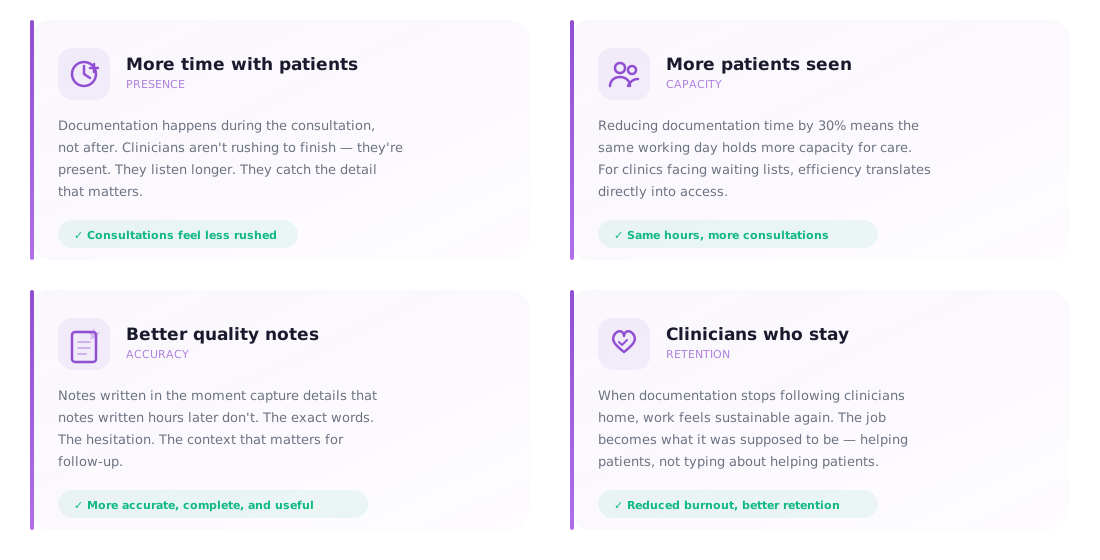
When documentation happens during the consultation instead of after, clinicians aren't rushing to finish on time. They're present. They listen longer. They catch the detail that matters.
Clinics using Pamela report that consultations feel less rushed not because they take more time, but because clinicians aren't mentally splitting their attention between the patient and the notes they'll have to write later.
More patients seen, without more hours worked
Reducing documentation time by 30% doesn't mean clinicians work 30% less. It means the same working day holds more capacity for care.
For clinics facing waiting lists, referral backlogs, or growing patient panels, documentation efficiency translates directly into access. More patients seen. Shorter waits. Better service.
Better quality notes
Notes written in the moment capture details that notes written hours later don't. The exact words a patient used. The hesitation before answering. The context that seemed minor at the time but matters for follow-up.
With Pamela, documentation happens while the consultation is fresh not reconstructed from memory at 6pm. The result is notes that are more accurate, more complete, and more useful for continuity of care.
Clinicians who stay
Burnout is driving clinicians out of healthcare. Administrative burden is one of the top reasons cited.
When documentation stops following clinicians home, something shifts. Work feels sustainable again. The job becomes what it was supposed to be helping patients, not typing about helping patients.
Clinics investing in documentation efficiency aren't just improving workflows. They're improving retention.
How Pamela works
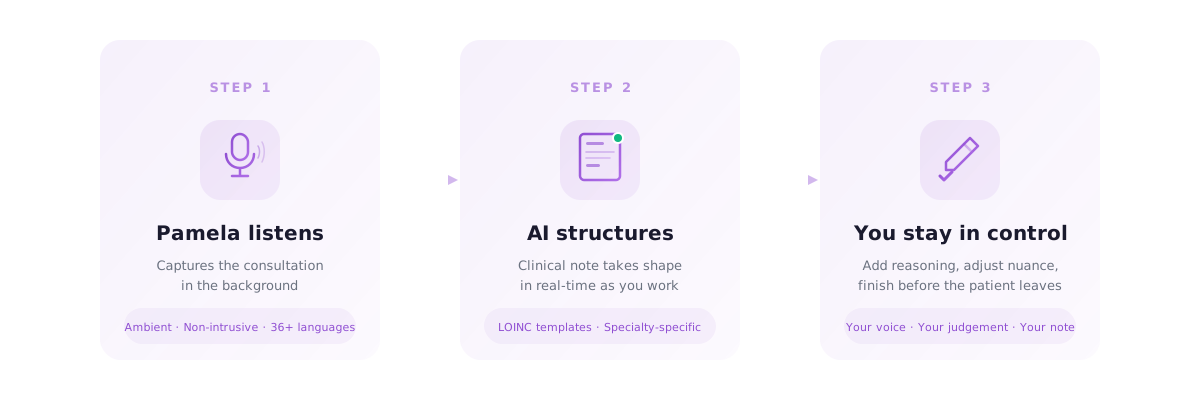
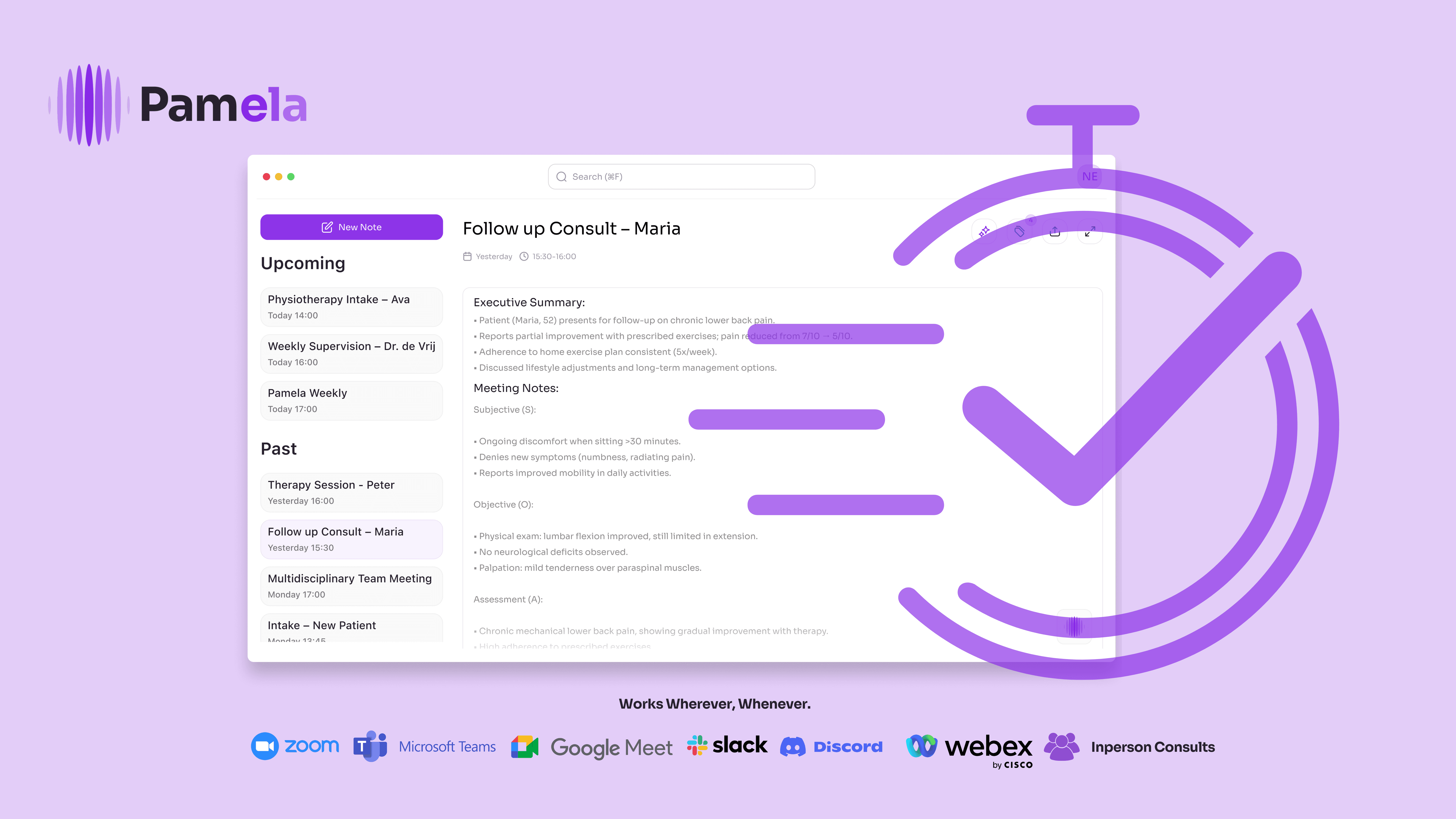
Pamela listens to the consultation in the background, capturing the conversation and structuring the clinical note in real-time.
But unlike AI scribes that generate notes for you to approve afterwards, Pamela keeps you in control. You see the note taking shape as you work. You add your clinical reasoning. You adjust structure, emphasis, and nuance in the moment, not after.
The AI handles the typing. You handle the medicine.
The result: documentation that sounds like you, reflects your clinical judgement, and doesn't require reconstructing the consultation from memory hours later.
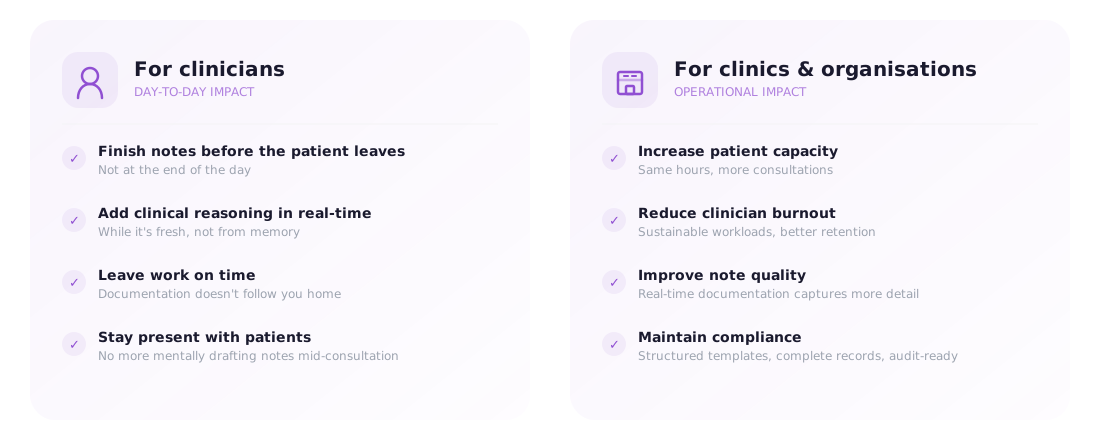
For clinicians
Finish notes before the patient leaves — not at the end of the day
Add clinical reasoning in real-time — while it's fresh, not from memory
Leave work on time — documentation doesn't follow you home
Stay present with patients — no more mentally drafting notes mid-consultation
For clinics and healthcare organisations
Increase patient capacity — same hours, more consultations
Reduce clinician burnout — sustainable workloads, better retention
Improve note quality — real-time documentation captures more detail
Maintain compliance — structured templates, complete records, audit-ready
What clinicians are experiencing
Clinicians using Pamela report reducing documentation time by up to 30% without sacrificing quality, nuance, or clinical accuracy.
Built for European healthcare
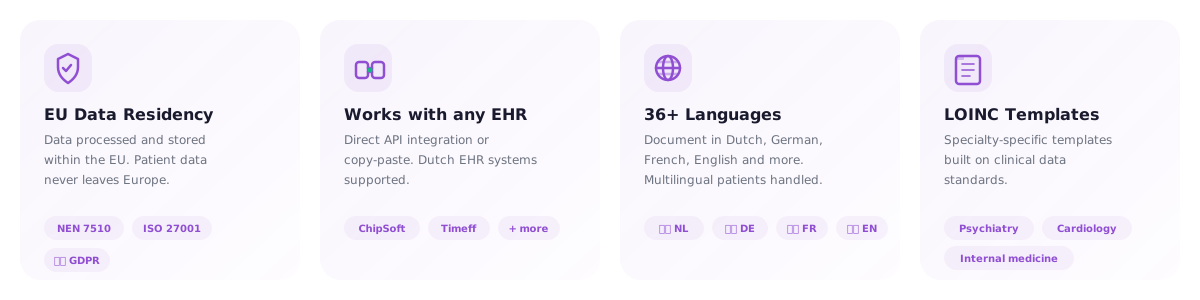
EU data residency All data processed and stored within the European Union. Your patient data never leaves Europe.
NEN 7510 & ISO 27001 certified Meeting Dutch healthcare information security standards and international best practices.
Works with any EHR Direct API integration or copy-paste. ChipSoft, Timeff, and other Dutch systems supported.
36+ languages Document consultations in Dutch, German, French, English, and more. Pamela handles multilingual patients natively.
LOINC-based templates Specialty-specific templates built on clinical data standards. Psychiatry, cardiology, internal medicine, and more.
Ready to spend less time typing?
See how Pamela fits your workflow and what 30% less documentation time could mean for you and your clinic.
Documentation shouldn't follow you home.
The documentation burden in Dutch healthcare
Research shows Dutch GPs spend close to 40% of their working time on administrative tasks and that number keeps rising. For hospital-based clinicians, quality registrations alone consume nearly an hour per day.
Only 36% of that documentation is perceived as actually useful for improving care.
The time clinicians spend typing is time not spent with patients. It's time not spent thinking. It's time that often spills into evenings, weekends, and the margins of life outside work.
Documentation is essential. The way we do it doesn't have to be.
What changes when typing isn't the bottleneck
More time with patients
When documentation happens during the consultation instead of after, clinicians aren't rushing to finish on time. They're present. They listen longer. They catch the detail that matters.
Clinics using Pamela report that consultations feel less rushed not because they take more time, but because clinicians aren't mentally splitting their attention between the patient and the notes they'll have to write later.
More patients seen, without more hours worked
Reducing documentation time by 30% doesn't mean clinicians work 30% less. It means the same working day holds more capacity for care.
For clinics facing waiting lists, referral backlogs, or growing patient panels, documentation efficiency translates directly into access. More patients seen. Shorter waits. Better service.
Better quality notes
Notes written in the moment capture details that notes written hours later don't. The exact words a patient used. The hesitation before answering. The context that seemed minor at the time but matters for follow-up.
With Pamela, documentation happens while the consultation is fresh not reconstructed from memory at 6pm. The result is notes that are more accurate, more complete, and more useful for continuity of care.
Clinicians who stay
Burnout is driving clinicians out of healthcare. Administrative burden is one of the top reasons cited.
When documentation stops following clinicians home, something shifts. Work feels sustainable again. The job becomes what it was supposed to be helping patients, not typing about helping patients.
Clinics investing in documentation efficiency aren't just improving workflows. They're improving retention.
How Pamela works
Pamela listens to the consultation in the background, capturing the conversation and structuring the clinical note in real-time.
But unlike AI scribes that generate notes for you to approve afterwards, Pamela keeps you in control. You see the note taking shape as you work. You add your clinical reasoning. You adjust structure, emphasis, and nuance in the moment, not after.
The AI handles the typing. You handle the medicine.
The result: documentation that sounds like you, reflects your clinical judgement, and doesn't require reconstructing the consultation from memory hours later.
For clinicians
Finish notes before the patient leaves — not at the end of the day
Add clinical reasoning in real-time — while it's fresh, not from memory
Leave work on time — documentation doesn't follow you home
Stay present with patients — no more mentally drafting notes mid-consultation
For clinics and healthcare organisations
Increase patient capacity — same hours, more consultations
Reduce clinician burnout — sustainable workloads, better retention
Improve note quality — real-time documentation captures more detail
Maintain compliance — structured templates, complete records, audit-ready
What clinicians are experiencing
Clinicians using Pamela report reducing documentation time by up to 30% without sacrificing quality, nuance, or clinical accuracy.
Built for European healthcare
EU data residency All data processed and stored within the European Union. Your patient data never leaves Europe.
NEN 7510 & ISO 27001 certified Meeting Dutch healthcare information security standards and international best practices.
Works with any EHR Direct API integration or copy-paste. ChipSoft, Timeff, and other Dutch systems supported.
36+ languages Document consultations in Dutch, German, French, English, and more. Pamela handles multilingual patients natively.
LOINC-based templates Specialty-specific templates built on clinical data standards. Psychiatry, cardiology, internal medicine, and more.
Ready to spend less time typing?
See how Pamela fits your workflow and what 30% less documentation time could mean for you and your clinic.
Documentation shouldn't follow you home.
The documentation burden in Dutch healthcare
Research shows Dutch GPs spend close to 40% of their working time on administrative tasks and that number keeps rising. For hospital-based clinicians, quality registrations alone consume nearly an hour per day.
Only 36% of that documentation is perceived as actually useful for improving care.
The time clinicians spend typing is time not spent with patients. It's time not spent thinking. It's time that often spills into evenings, weekends, and the margins of life outside work.
Documentation is essential. The way we do it doesn't have to be.
What changes when typing isn't the bottleneck
More time with patients
When documentation happens during the consultation instead of after, clinicians aren't rushing to finish on time. They're present. They listen longer. They catch the detail that matters.
Clinics using Pamela report that consultations feel less rushed not because they take more time, but because clinicians aren't mentally splitting their attention between the patient and the notes they'll have to write later.
More patients seen, without more hours worked
Reducing documentation time by 30% doesn't mean clinicians work 30% less. It means the same working day holds more capacity for care.
For clinics facing waiting lists, referral backlogs, or growing patient panels, documentation efficiency translates directly into access. More patients seen. Shorter waits. Better service.
Better quality notes
Notes written in the moment capture details that notes written hours later don't. The exact words a patient used. The hesitation before answering. The context that seemed minor at the time but matters for follow-up.
With Pamela, documentation happens while the consultation is fresh not reconstructed from memory at 6pm. The result is notes that are more accurate, more complete, and more useful for continuity of care.
Clinicians who stay
Burnout is driving clinicians out of healthcare. Administrative burden is one of the top reasons cited.
When documentation stops following clinicians home, something shifts. Work feels sustainable again. The job becomes what it was supposed to be helping patients, not typing about helping patients.
Clinics investing in documentation efficiency aren't just improving workflows. They're improving retention.
How Pamela works
Pamela listens to the consultation in the background, capturing the conversation and structuring the clinical note in real-time.
But unlike AI scribes that generate notes for you to approve afterwards, Pamela keeps you in control. You see the note taking shape as you work. You add your clinical reasoning. You adjust structure, emphasis, and nuance in the moment, not after.
The AI handles the typing. You handle the medicine.
The result: documentation that sounds like you, reflects your clinical judgement, and doesn't require reconstructing the consultation from memory hours later.
For clinicians
Finish notes before the patient leaves — not at the end of the day
Add clinical reasoning in real-time — while it's fresh, not from memory
Leave work on time — documentation doesn't follow you home
Stay present with patients — no more mentally drafting notes mid-consultation
For clinics and healthcare organisations
Increase patient capacity — same hours, more consultations
Reduce clinician burnout — sustainable workloads, better retention
Improve note quality — real-time documentation captures more detail
Maintain compliance — structured templates, complete records, audit-ready
What clinicians are experiencing
Clinicians using Pamela report reducing documentation time by up to 30% without sacrificing quality, nuance, or clinical accuracy.
Built for European healthcare
EU data residency All data processed and stored within the European Union. Your patient data never leaves Europe.
NEN 7510 & ISO 27001 certified Meeting Dutch healthcare information security standards and international best practices.
Works with any EHR Direct API integration or copy-paste. ChipSoft, Timeff, and other Dutch systems supported.
36+ languages Document consultations in Dutch, German, French, English, and more. Pamela handles multilingual patients natively.
LOINC-based templates Specialty-specific templates built on clinical data standards. Psychiatry, cardiology, internal medicine, and more.
Ready to spend less time typing?
See how Pamela fits your workflow and what 30% less documentation time could mean for you and your clinic.
Documentation shouldn't follow you home.
The documentation burden in Dutch healthcare
Research shows Dutch GPs spend close to 40% of their working time on administrative tasks and that number keeps rising. For hospital-based clinicians, quality registrations alone consume nearly an hour per day.
Only 36% of that documentation is perceived as actually useful for improving care.
The time clinicians spend typing is time not spent with patients. It's time not spent thinking. It's time that often spills into evenings, weekends, and the margins of life outside work.
Documentation is essential. The way we do it doesn't have to be.
What changes when typing isn't the bottleneck
More time with patients
When documentation happens during the consultation instead of after, clinicians aren't rushing to finish on time. They're present. They listen longer. They catch the detail that matters.
Clinics using Pamela report that consultations feel less rushed not because they take more time, but because clinicians aren't mentally splitting their attention between the patient and the notes they'll have to write later.
More patients seen, without more hours worked
Reducing documentation time by 30% doesn't mean clinicians work 30% less. It means the same working day holds more capacity for care.
For clinics facing waiting lists, referral backlogs, or growing patient panels, documentation efficiency translates directly into access. More patients seen. Shorter waits. Better service.
Better quality notes
Notes written in the moment capture details that notes written hours later don't. The exact words a patient used. The hesitation before answering. The context that seemed minor at the time but matters for follow-up.
With Pamela, documentation happens while the consultation is fresh not reconstructed from memory at 6pm. The result is notes that are more accurate, more complete, and more useful for continuity of care.
Clinicians who stay
Burnout is driving clinicians out of healthcare. Administrative burden is one of the top reasons cited.
When documentation stops following clinicians home, something shifts. Work feels sustainable again. The job becomes what it was supposed to be helping patients, not typing about helping patients.
Clinics investing in documentation efficiency aren't just improving workflows. They're improving retention.
How Pamela works
Pamela listens to the consultation in the background, capturing the conversation and structuring the clinical note in real-time.
But unlike AI scribes that generate notes for you to approve afterwards, Pamela keeps you in control. You see the note taking shape as you work. You add your clinical reasoning. You adjust structure, emphasis, and nuance in the moment, not after.
The AI handles the typing. You handle the medicine.
The result: documentation that sounds like you, reflects your clinical judgement, and doesn't require reconstructing the consultation from memory hours later.
For clinicians
Finish notes before the patient leaves — not at the end of the day
Add clinical reasoning in real-time — while it's fresh, not from memory
Leave work on time — documentation doesn't follow you home
Stay present with patients — no more mentally drafting notes mid-consultation
For clinics and healthcare organisations
Increase patient capacity — same hours, more consultations
Reduce clinician burnout — sustainable workloads, better retention
Improve note quality — real-time documentation captures more detail
Maintain compliance — structured templates, complete records, audit-ready
What clinicians are experiencing
Clinicians using Pamela report reducing documentation time by up to 30% without sacrificing quality, nuance, or clinical accuracy.
Built for European healthcare
EU data residency All data processed and stored within the European Union. Your patient data never leaves Europe.
NEN 7510 & ISO 27001 certified Meeting Dutch healthcare information security standards and international best practices.
Works with any EHR Direct API integration or copy-paste. ChipSoft, Timeff, and other Dutch systems supported.
36+ languages Document consultations in Dutch, German, French, English, and more. Pamela handles multilingual patients natively.
LOINC-based templates Specialty-specific templates built on clinical data standards. Psychiatry, cardiology, internal medicine, and more.
Ready to spend less time typing?
See how Pamela fits your workflow and what 30% less documentation time could mean for you and your clinic.

"I was sceptical that AI could capture my notes properly. But I'm not handing over control — I'm just typing less. The note still sounds like me." — Dr. Anna de Vries, Psychologist, Rotterdam